
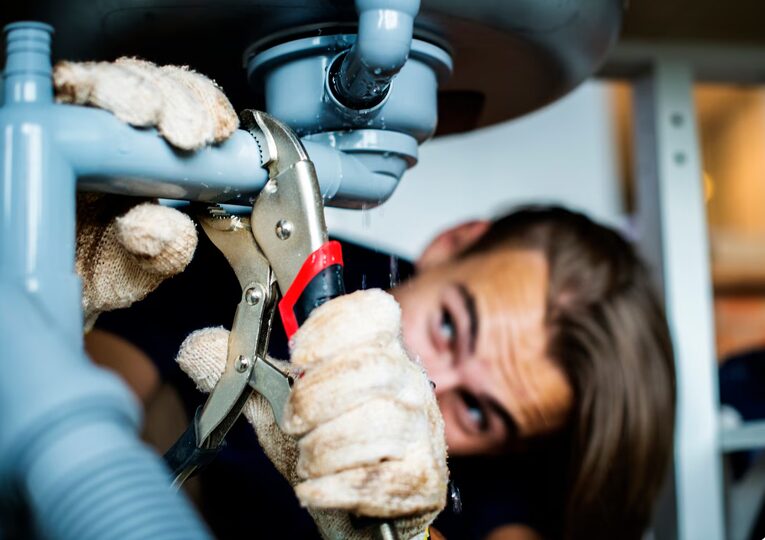
Small plumbing leaks often seem harmless at first. A slow drip under a sink or a minor pipe leak behind a wall may not appear urgent. Many homeowners delay repairs because the problem does not seem serious. However, even the smallest leaks can lead to significant structural damage over time. Water has a way of spreading and weakening materials silently. Understanding why small plumbing leaks lead to major structural issues over time helps homeowners take early action and prevent costly repairs.
Seeping Into Hidden Building Structures
One of the biggest risks of small leaks is their ability to spread unnoticed. Water can seep into walls, floors, and ceilings without visible signs. Over time, this hidden moisture begins to affect structural materials such as wood, plaster, and insulation. Even a slow drip can travel far beyond the original leak point. Dry areas may become damp, and damp areas may become permanently damaged. Because these spaces are hidden, the problem often grows before it is discovered. This silent spread makes small leaks more dangerous than they initially appear.
Weakening Wooden Framework and Support Structures
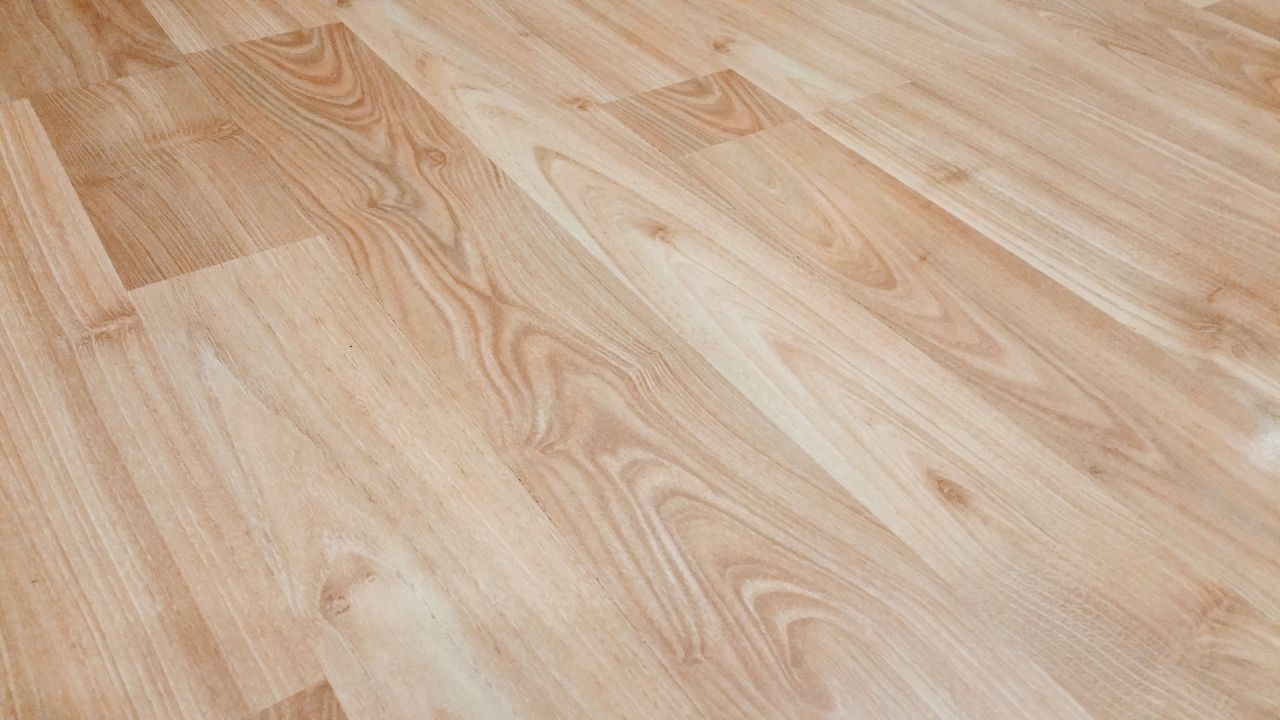
Wood is commonly used in residential construction, especially in flooring and framing. When exposed to constant moisture, wood begins to weaken. Small leaks can cause wood to swell, rot, or lose structural strength. Over time, this reduces the stability of floors, walls, and support beams. In severe cases, wooden structures may become unsafe or require full replacement. Even minor leaks can gradually compromise the integrity of a home’s framework. This slow deterioration is often unnoticed until visible damage becomes severe.
Promoting Mold Growth and Air Quality Issues
Moist environments created by plumbing leaks are ideal for mold growth. Mold can develop within walls, under floors, or in ceilings. Once mold begins to spread, it can affect both structural materials and indoor air quality. It weakens surfaces such as drywall and wood while releasing spores into the air. This can lead to unpleasant odors and potential health concerns for occupants. Because mold often grows in hidden areas, it may go undetected for long periods. Small leaks, therefore, contribute to both structural damage and environmental problems inside the home.
Damaging Floors, Walls, and Interior Finishes
Water from plumbing leaks does not stay contained. It spreads into surrounding materials such as flooring, paint, and wall coverings. Floorboards may warp or become soft when exposed to moisture over time. Paint can bubble, peel, or discolor due to hidden dampness. Walls may develop stains or lose their structural firmness. Even decorative finishes can become permanently damaged if leaks are not addressed early. What starts as a small leak can eventually require full interior restoration. This makes early detection and repair extremely important for homeowners.
Increasing Risk of Electrical Hazards
Plumbing leaks near electrical systems create additional risks. Water can travel through walls and come into contact with wiring or electrical outlets. This increases the possibility of short circuits or electrical malfunctions. In some cases, it may also pose safety hazards for residents. Even small leaks can reach hidden electrical systems over time. This combination of water and electricity makes the situation more dangerous. Preventing leaks helps reduce the risk of both structural and electrical damage in the home.
Leading to Expensive Long-Term Repairs
One of the most significant consequences of ignoring small leaks is the cost of long-term repairs. What begins as a minor issue can eventually require extensive restoration work. Structural repairs, mold removal, and material replacement can become necessary. Water damage often spreads further than expected, increasing repair complexity. Early repairs are usually simple and affordable compared to long-term damage restoration. Delaying action allows the problem to grow and become more expensive over time. Addressing leaks quickly helps protect both the structure and the financial investment of the home.
Small plumbing leaks may seem insignificant, but their long-term impact can be severe. They gradually seep into hidden structures, weaken wood, promote mold growth, damage interiors, increase electrical risks, and lead to expensive repairs. Because water spreads quietly, the damage often develops unnoticed until it becomes serious. Homeowners who understand these risks are better prepared to act early. Timely detection and repair of leaks are essential to maintaining a safe and stable home. Preventing small issues from growing into major structural problems protects both property value and long-term safety.